
Nothing quite compares to the ethereal beauty of watercolor paintings! Translated from the depths of the imagination and onto paper, watercolor brushstrokes offer the perfect medium to explore creativity and evoke emotion in artwork. Here, we explore the ins and outs of watercolor techniques and how to create playful brushstrokes that capture life and emotion on the canvas.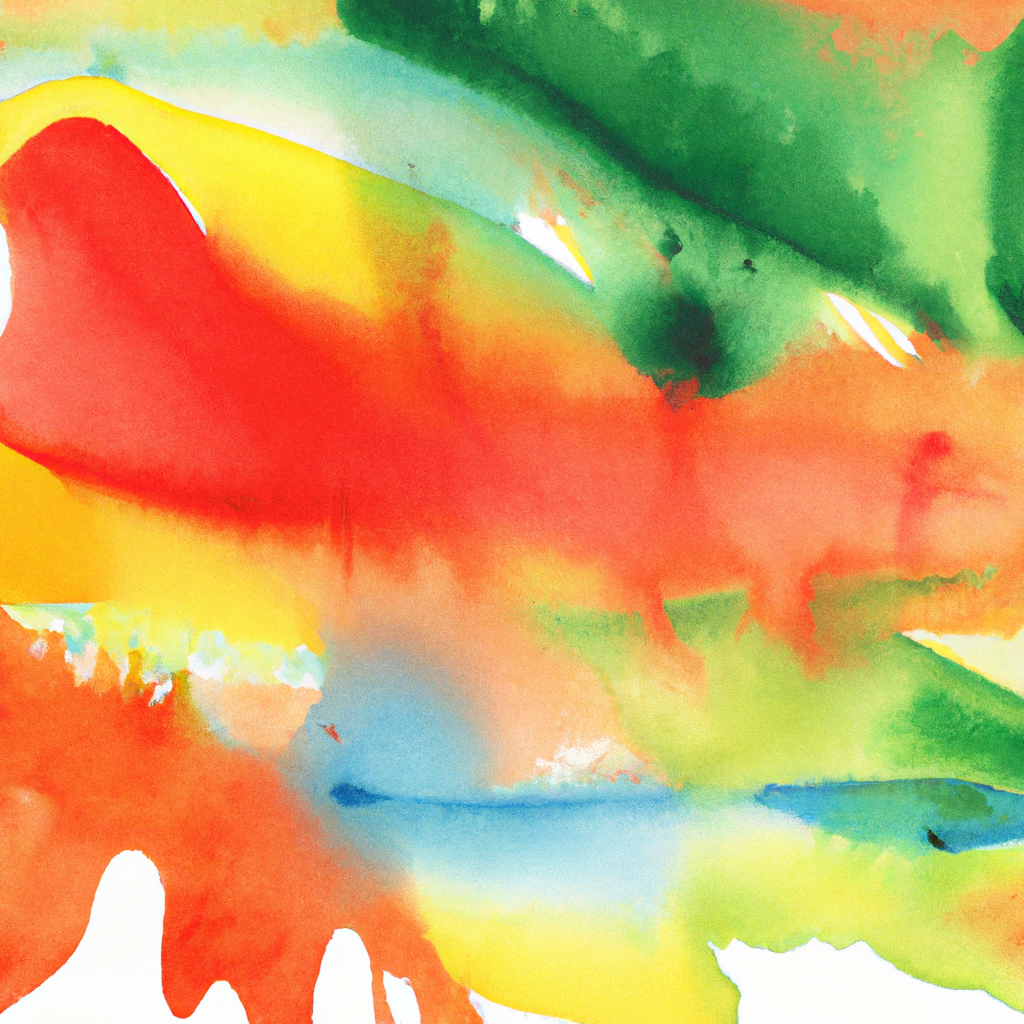
1. Creating Playful Brushstrokes with Watercolor Techniques
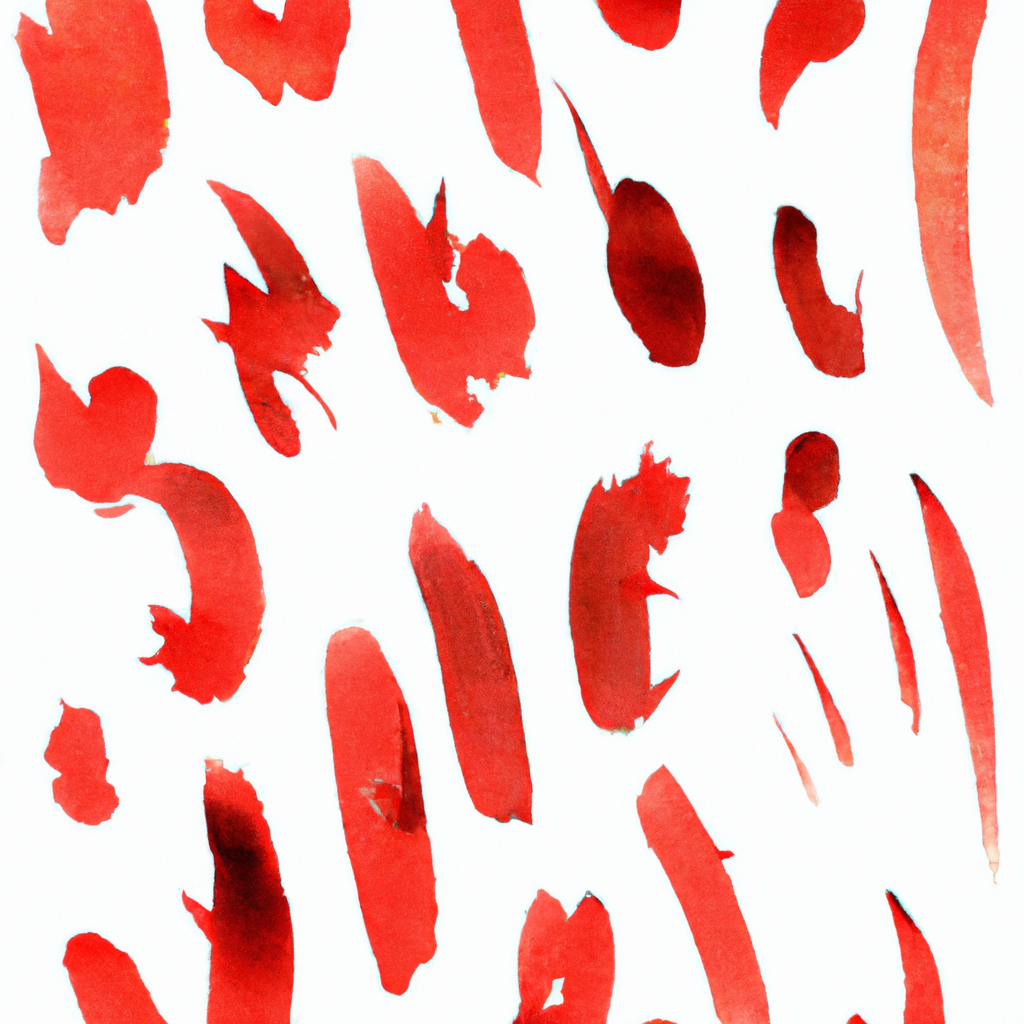
Add some whimsy and fun to your next watercolor project with these sure-fire techniques. Whether you’re seeking a little extra texture or want to add movement and life to your painting, these playful brushstrokes can help you create your masterpiece.
- Flicking: With a small brush and a clean jar of water, flick your brush against the jar’s rim to create an explosion of color.
- Wet-in-Wet: Painting wet-in-wet is a great way to create texture and depth. Dip your brush in the pigment and then into the water and fill any size area on your paper. Large or small wet-in-wet areas often create intriguing effects.
- Splattering: To create a lively, energetic effect, load your brush with pigment and tap your brush against the bristles of an old comb, dabbed with water.
Adding salt to your painting is another fun technique. Before your watercolor is dry, sprinkle the paper with salt. The small salt granules will pull the pigment from the painting, causing interesting bleeds and texture. To accentuate vibrant, neon colors, a teaspoon of alcohol to your paint may help to bring out the vibrancy.
Using your brush to add texture can exponentially enrich a picture. Use a painting knife or the edge of a credit card to scrape lines and paint ridges into the paper to give the illusion of a three-dimensional surface. Backgrounds can be especially enhanced with these drybrush lines.
Experimenting is half the fun of painting with watercolors. Try new techniques and combinations of methods to see what works for your own painting style. With a few simple techniques and a lot of creativity, you can make your next piece come alive with playful brushstrokes.
2. Understanding the Basics of Watercolor Painting
Learning watercolor painting can be an intimidating experience, as it requires mastering various techniques and materials. Before you delve into complex works, you first need to understand some fundamentals of painting with watercolors. Here are the basics you need to know!
Formulating Your Palette – Every artwork starts with the right color palette. When it comes to watercolors, there are five primary colors you’ll need to stock up on: yellow, red, blue, black and white. Professional artists often add other colors into their palettes to increase the variety of shades. Other hues worth considering include green, purple, brown, and orange.
Grasping Paint Opacity – Opacity plays an essential role in defining a painting. When it comes to watercolors, the hues are transparent, and the color layers blend easily with each other. While working on a painting, you’ll need to be mindful of the drying opacity to create a striking artwork. Working with dry pigment results in a more opaque color, while a wet surface will give a more transparent effect.
Understating Different Brushes – Besides the color palette, the right brushes are also necessary for a great watercolor painting. A number of brushes with varied bristles are available for watercolor work including:
- Round brushes
- Flat brushes
- Camel hair brushes
- Mop brushes
- Fan brushes
Beginners must understand that watercolour brushes need to be pretty stiff and the bristles should be able to hold a decent amount of water. Furthermore, you’ll need to use a range of sizes to create various effects like tiny details, smooth washes, and wide strokes.
Stocking Up Other Supplies – Assembling the right arty supplies is an essential part of your watercolor journey. Before you start, you need to have a few papers, pencils, erasers, and palette knives handy. Besides, you’ll need to get supplies for stretching and framing the artwork once it’s done. Good quality canvases, washi tapes, and glue sticks are essential supplies for a watercolor painter.
3. Exploring Different Mark-Making Strategies
Different mark-making strategies can be used to create art that is both sophisticated and meaningful. Here are a few techniques that can be used to spice up your next project:
- Stippling: Stippling is a type of drawing technique which uses small dots to create shading and texture. It is a challenging technique to master and takes a great deal of practice to perfect.
- Sgraffito: Sgraffito is a method of decorating pottery or other materials in which layers of different colors are applied, with sections being scratched away to expose the underlying colors underneath.
- Stippling: Another mark-making technique is stippling. It is done with small dots as an accumulative technique to build up shading and texture. This technique can be used to draw complex details or to create gentle shading effects.
- Crosshatching: Crosshatching is a mark-making technique that involves the use of multiple lines, of varying densities, to create a range of tonal values. It is one of the easiest techniques to learn and works well with both pencil and pen-based media.
- Rakes and Combs: Rakes and combs are mark-making devices that create texture and fur-like patterns. They can be made from a variety of materials such as plastic, wood, or even metal. They can also be used to add texture to paper or fabric.
Mark-making strategies can also help to create visually interesting artwork with more subtle effects. Smudging is a mark-making technique which involves using your fingers to blur or blur outlines and create soft transitions within a piece. Paper tearing is a technique which involves tearing the edges of paper in order to create interesting and unique shapes and textures. Erasing is a mark-making technique that can be used to create soft light-toned areas, or to carefully repair mistakes.
All of these mark-making strategies can be used to create artistic pieces that are both unique and interesting. Whether you’re a beginner or an experienced artist, can open up new creative possibilities for your work.
4. Understanding the Magic of Color Mixing
Mixing colors can be an exciting way to explore your creativity, and also a great way to learn the basics of painting. With just a few basic color combinations, you can create a surprisingly wide range of different hues.
Before you start mixing colors, it’s important to know a bit about the theory behind it. Every color is made up of three major components, also known as primary colors: red, yellow, and blue. By selectively adding more of one color to another, you can create a brilliant palette of colors.
Color blending techniques
- Tinting – Adding white to a color makes the color lighter.
- Shading – Adding black to a color makes the color darker.
- Toning – Adding gray to a color makes the color muted.
- Hue shifting – Adding a small amount of a different hue to a color can create more subtle variations.
The best way to really learn how color mixing works is to practice. Start with a limited palette of just three or four colors, and experiment with various combinations to see what new colors you can create. The various shades and tints you can create from this handful of colors may surprise you!
You can also play with color intensity. For instance, adding more yellow to a hue can make it brighter, while adding a bit of blue can tone it down. As you explore the principles of color mixing, you’ll be able to create entire palettes of richly blended colors that are unique and eye-catching.
Adding a playful touch to your art has never been easier with these simple watercolor techniques. Whether you’re an artist or novice, these brushstrokes are sure to add a splash of fun and color to your work. So, choose your tools and start the journey to create your own colorful masterpiece!
