
Throughout the ages, movement has brought life to art. No matter the style, it has always been an essential element in capturing the beauty of the human form. From the dynamic art of ancient Egypt, to the graceful strides of the baroque period, capturing movement has been a passion of artists since the dawn of time. Dance, however, has been particularly inspirational to artists. This article will explore the fascinating ways in which dance has been immortalized in art over the centuries.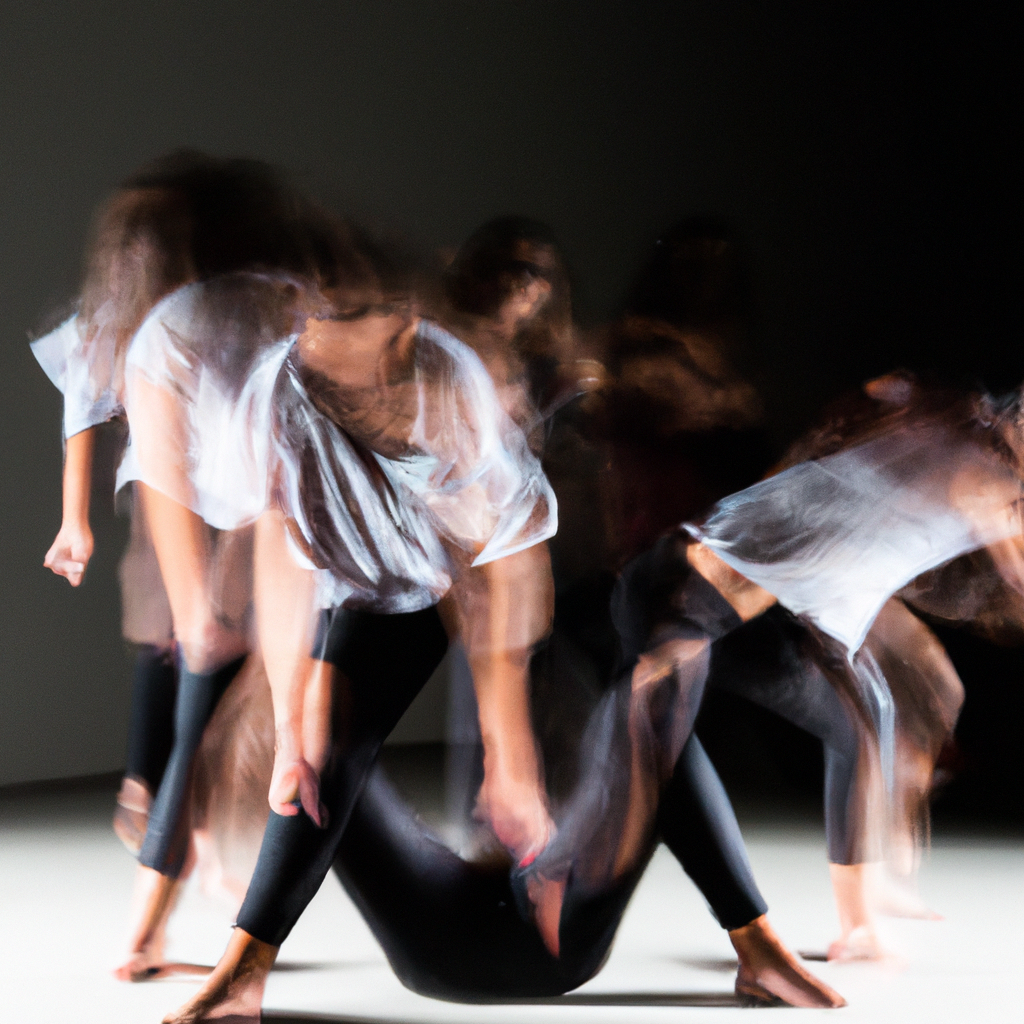
1. Exploring the Captivating Power of Dance
Dance is often seen as a passionate form of expression that has the power to captivate and mesmerize audiences from all corners of the globe.
To further appreciate this art form, it’s essential to explore its elements. Just as a painter uses different colors to evoke perspective, a dancer performs specific movements with their body to convey emotion. By combining rhythm and grace, the raw energy of modern dance creates a unique experience with effortless beauty. Each turn, each dip, and each step translates to an abstract language of the soul.
Behind the performances, the choreographers and choreographers showcase their formidable skills. Whether it’s a street-style hip-hop bop or a traditional Eastern ceremony, choreographers are the architects of mesmerizing spectacle. Crafting intricate sequences to depict stories, they not only drive the development of the industry, but highlight the importance of technique.
Most striking of all, the beauty of performance rests on its versatility. Traditional dances often steeped in culture give the faithful of a spiritual journey across time and space. Ballet, for instance, sits among the grandest of art forms. Combining skillful technique with improvisation, performers move elegantly in a current of breathtaking beauty.
In summary, while the saying may be ‘A picture is worth a thousand words’, it’s clear just how powerful a thousand movements together can be. To explore the captivating power of dance is to admire artful execution and soulful expression hand in hand.
2. Investigating Dance as Artistic Expression
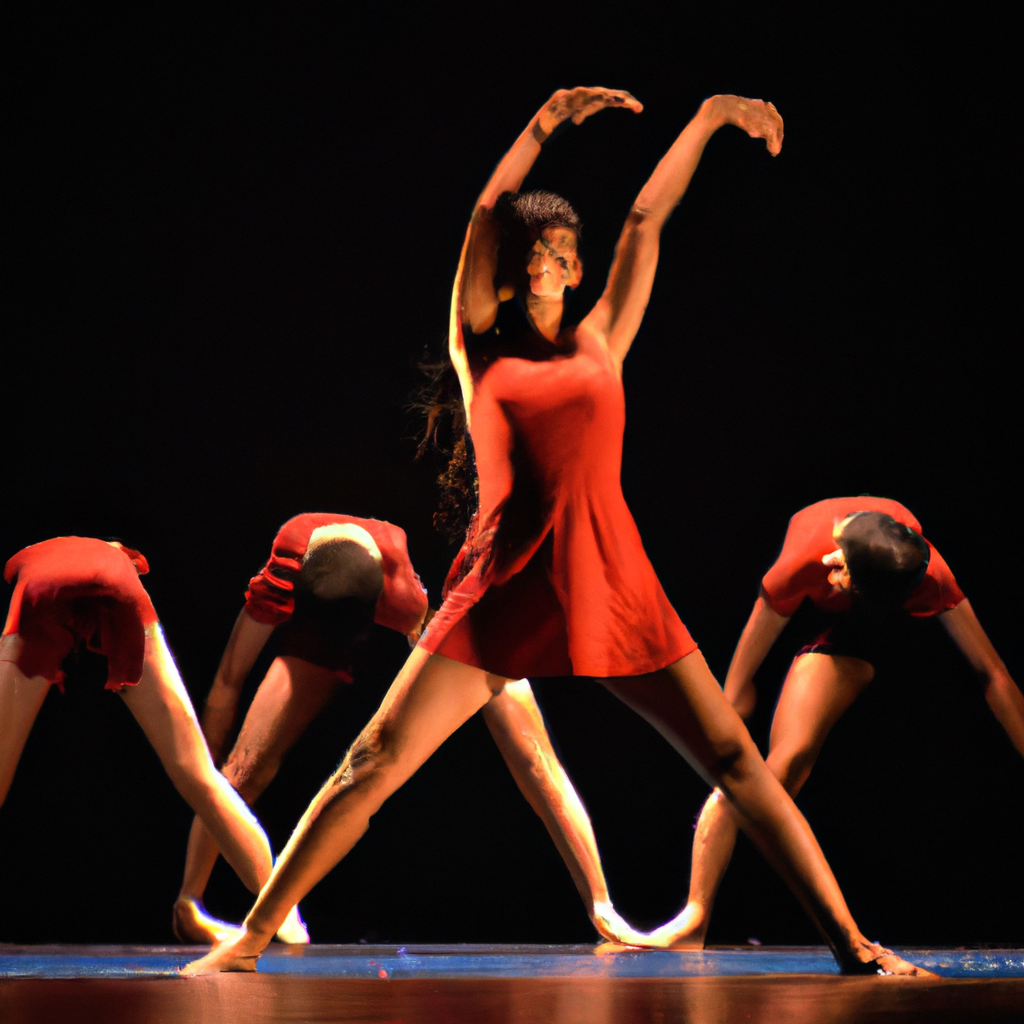
The purpose of this section is to explore how artistic expression a person interprets their world and reflects their own sense of identity. The act of dance is one of the most potent ways people can express themselves.
Dance, with its rooted history and broad geographical impact, has existed in cultures around the world since the dawn of humankind. The range of dance expression is as vast as the range of emotion, from pure electrifying joy to aching melancholy. Throughout history, the beauty of dance has been recognized as a powerful medium for communication and healing.
In recent years, the study of dance as a medium for artistic expression has become increasingly popular. Scientists have developed tools to better understand the grammar and syntax of various dance genres, making it possible for researchers to get closer to decoding the inner workings of its secret language. Through the discoveries of this research, we can further appreciate the importance of the language of body and movement.
In the realm of creative expression, powerful messages about identity can be communicated through movement. Dance gives those who practice it an opportunity to explore their feelings of power or vulnerability, and express whatever emotions they are currently going through. Through the free flowing physical movement of dance, personal stories can be told and felt.
Dance helps us to make sense of issues that are difficult to talk about. By expressing our emotional tensions through artistic movement, we gain a better understanding of our struggles and a deeper connection with ourselves. Dance is a way to take control over our feelings and our story, and tell it in a way that resonates with us.
3. Documenting Movement: Illuminating Dance
From the ballet moves of the Renaissance to the hip-hop moves of the 21st century, it seems humanity has always had an affinity for movement. But in the midst of the hustle and bustle of the modern world, the history, beauty, and creativity that comes with some of the world’s most ancient forms of dance have been at risk of fading away. That’s why some of the world’s latest glimmering movements have been captured, documented, and celebrated.
Tap and Clog Dancing has gained immense popularity in the last few decades, and much of that success can be attributed to the documentation of these timeless dances. Themes that date back hundreds of years-when it was used to entertain or summon worship-appear intact in this modern-day art form. By visually recording the intricate steps and arm movements, modern day dancers can replicate the movements just as their predecessors did centuries ago.
From Flamenco to Jazz, the documentation of dance has enriched these long-standing art forms. Viewers have been able to appreciate the intensity found in Flamenco, inspired by the rapid-fire movements of Spanish dancers and passionate rhythms of guitars, vocalists, and hand claps. The sultry moves of Jazz dancing have also been preserved, with sources detailing how the combination of tutu-like costumes and energetic improvisations borrowed from African-American movements livened up the stage in the Jazz era.
Ballet has been an essential part of dance documentation, as movements practiced by the court during the Renaissance or Romantic eras can be witnessed today. Videos and books have captured the steps that these graceful dancers have practiced throughout centuries, from the soft poses of the Romantic era to the jumps and leaps of more contemporary shows.
Understanding these art forms is one of the most fascinating aspects of documenting movement, as it allows us to get to the core of what each dance encompasses, so that these stories can live on and on. Unparalleled talent matched with a time-honored tradition- that’s what dance documenting is all about.
4. Capturing Movement: The Art of Dance
The art of dance has stood the test of time and has been performed since the days of Ancient Greece. Written accounts of movement arts appeared long before the modern year. It is a form of expression that is shared around the world, often combining elements of creative expression with athletic skill. It is a physical representation of a story or emotion told through movement, and it’s purpose is to communicate something to the person watching it.
Theory
Every dance form has its rules which create a foundation of technique and theory. It is within these rules that a dancer expresses themselves, interpreting their movement into a unique and creative work. The personal style of the dancer, while founded in the fundamentals, should embody their own aesthetic and movement choices.
Physicality
Dance has no age restrictions, and it caters to all physical abilities. It is suitable for any level of physicality, from wonderfully expressive performances given with limited movement, to laborious and powerful performance that require great amount of skill and strength. It can be performed solo, with a partner, small group, or with a large ensemble.
Benefits
- Psychological: dance promotes creativity, self-awareness, mental clarity, and greater emotional stability.
- Physical: improves cardiovascular health, muscular flexibility, coordination, and balance.
- Social: Increases self-confidence and team building skills when working collaboratively.
The dynamic and expressive motions of dance are a beautiful way to capture the power of movement. It is a medium through which the body can communicate with the audience regardless of language or other barriers. Everyone has potential to enjoy and perfect the art of dance.
The art of dance inspires us to value the way we move our bodies and the beauty they create. From the abstract thoughts of a solo performance to the unspoken connection between a partner, it encompasses the power, grace, and nostalgia of movement. Capturing the ever-changing, subtle nuances of dance in art is a challenge that takes skill and patience. With a certain spark of admiration, we can appreciate the frozen moments in time created by these dancers, and be inspired to express our own movements in the world.
