
As a material, glass is as enigmatic as it gets. For thousands of years, it has served as both a source of transparent illumination, an outlet for creative expression – especially in the form of intricate glass art. To craft something beautiful out of a material that is both solid and permeable is an inspiring feat. Glass art is the result of artists manipulating transparent material to create something extraordinary; something that blurs the lines between what is visible and what is invisible. Its ability to reinforce and refract light gives glass art a certain power – the power to shape transparency.
1. Crafting Minimalism: Exploring the Art of Glass
For centuries, minimalism has been an essential element of fine art, and its principles are just as relevant in our modern era. Glass is a medium that perfectly encapsulates the principles of minimalism: its transparency and simplicity, its reflections and shadows, its versatile forms and colours. It inspires us to focus on the function of its design, to pare down everything superfluous. Here, we will explore the art of creating beautiful, minimal glassworks.
Form and Colour:
- Form is one of the primary principles of minimal glass art. The design must be efficient and purposeful: elegance is defined by simplicity. Establishing dimension and space plays an important role, and careful consideration is given to proportion and layering.
- Colours can be selectively used to draw attention, but should be kept to a minimum. Hues should be chosen purposefully to complement each other and create a balanced aesthetic. Often, only black and white are used to keep the tone muted and gentle.
Textures and Finishes:
- Glass can be sandblasted or satin-etched to create a variety of tactile textures and subtle gradients. Selectively using a mixture of finished glass surfaces lends an interesting visual dimension to the piece.
- Reflections are a signature part of glass art, and they can be used in various ways. Careful planning is necessary to make sure the reflections work in accordance with the light of the surrounding environment.
The Final Work:
- As is so often the case, crafting a glass art piece is infinitely complex. Every decision, from materials to techniques, is interlinked with the others and affects the outcome. By fusing the principles of minimalism with a strong sense of purpose, a glass art piece that is understated yet powerful can be achieved.
- Glass art not only brings a sense of beauty and simplicity to any space, but also serves as a reminder of the importance of creating with intention. Crafting minimal glass art is a meditative practice that can be incredibly rewarding when the final product is crafted with care and attention.
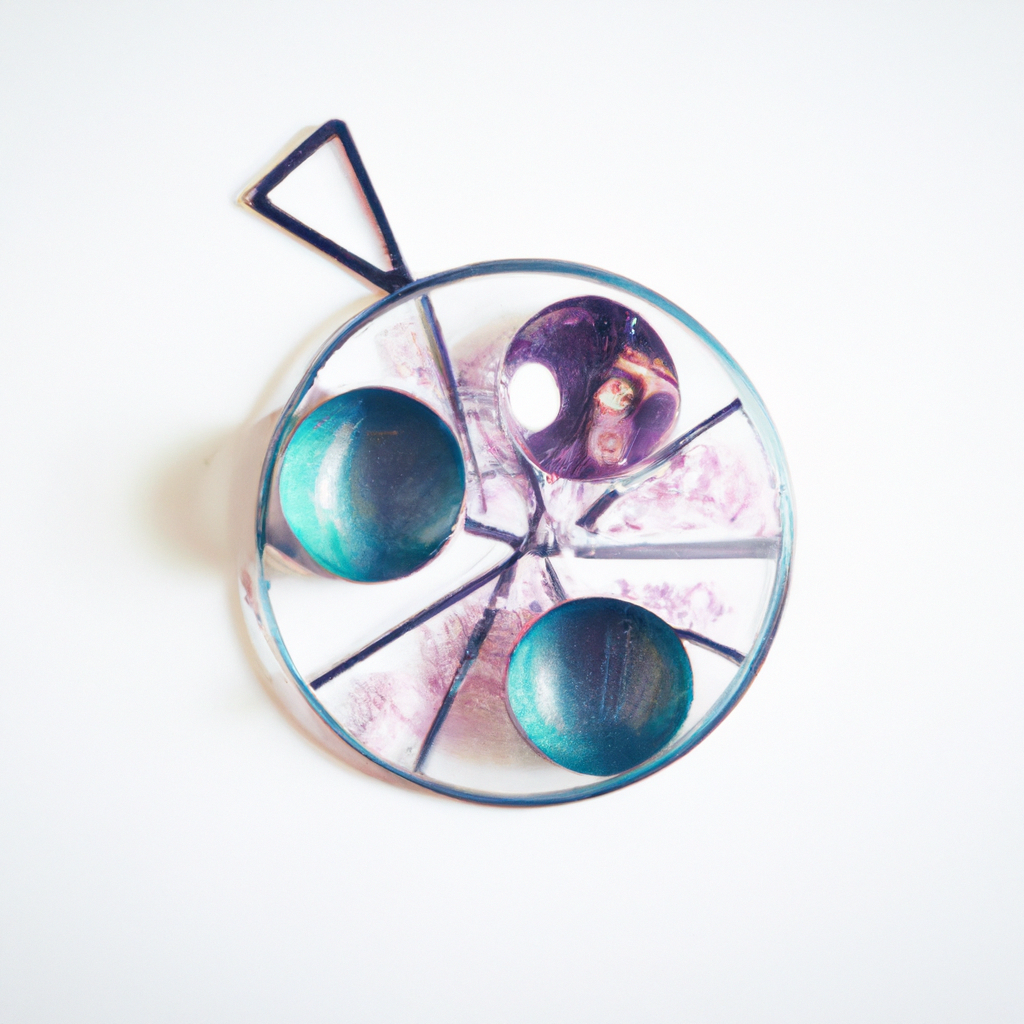
2. Transcending Transparency: Admiring the Unique Qualities of Glass
It’s plain to see that glass can add so much to any building – from contemporary to traditional. What can’t be seen is the beauty of this building material, and its ability to transcend normal expectations of transparency. Glass is both traditional and modern, and its use across the ages has made it a beloved material of artisans and designers alike.
As a material, glass offers a unique opportunity to create an aesthetic combination of transparency and modernity. Its transparency allows light to flood into a building, creating beautiful silhouettes of the surroundings and merging the indoors and outdoors. Its modernity is seen in the creative options it offers with different finishes, colours, and thicknesses that can be used to create walls, windows, showrooms, and more.
- Daylight without the Glare – Glass can maximize light without the blindingly bright glare like many other materials.
- Impressive Strength – Its strength and resilience makes it great for structures that withstand the test of time.
- Unlimited Design Possibilities – Make creative use of panels, levels, and tinted/etched designs.
Glass offers an effortless aesthetic that combines traditional and modern in one. When used in a building’s design, it can achieve a balance of visually striking features and functionality. From sunrooms to staircases, the possibilities are endless – and there’s nothing quite like the unique beauty and versatility of glass.
From its superior Reflectorite™ technology to reducing your solar heat gain through Solarban® glass, glass can help create beautiful energy efficient buildings. Whether used as a window, wall, or sculpture, its versatility allows it to be truly admired.
With a material like glass, the possibilities are wide open to use it in an unexpected, exciting way. Explore the unique features and qualities of glass and allow it to make a statement in your next design.
3. Unveiling the Creative Secrets of Glass Art
There’s no doubt that glass art has captivated the hearts of fans all over the world. From mountain views to ocean scenes, glass art is a timeless work of craftsmanship that evokes emotion and admiration. But what makes glass art so special?
Ancient Origins
Glass art has a long history, with records of its existence dating back to 3000 B.C. Glassblowing is said to have originated in the Middle East, along the Mediterranean and then spread to Northern Europe. By the 10th century, it reached the Venetian region of Italy, where great advances of the art form evolved.
Colors and Textures
It’s the vibrant colors and textures that really set glass art apart. Using a variety of techniques, glass artists etch and engrave glass to make intricate designs that can be used to make inspiring works of art. In recent years, digital printing and laser etching have given glass art new dimensions of design and craftsmanship.
The Possibilities Are Endless
Using a combination of skills, tools, and techniques, glass artists can create objects of immense beauty. From vibrant mosaics, wall art, wine glasses, bottles, and sculptures, the possibilities are endless for glass art. It’s no wonder that glass art pieces can be found in art galleries and homes around the world.
How to Appreciate Glass Art
To truly appreciate glass art, it’s important to look at it in the context of its journey from beginning to end. First, the artist begins with an idea and forms an object. From there, the object is shaped or sculpted in different ways, colors and textures are added, and then the artist perfects the details. This is the best way to understand the skill and commitment an artist puts into their craft.
- Glassblowing is said to have originated in the Middle East, along the Mediterranean.
- Using a variety of techniques, glass artists craft intricate designs that evoke emotion.
- From vibrant mosaics, wall art, wine glasses, bottles, and sculptures, the possibilities are endless.
- To truly appreciate glass art, consider the skill and commitment the artist has displayed on their craft.
4. Illuminating the Intricacies of Glass: Inspiration & Effectiveness
Since Ancient Roman times, glass has been used to decorate, insulate, and magnify things around us. It’s seen in the windows of our homes, the screens of our gadgets, and in the lenses of our eyeglasses. The versatility and beauty of glass can inspire and make it a very effective construction material.
To better appreciate the intricacies of glass, here are some of the ways it has been used to benefit modern society:
- It has replaced more traditional building materials in larger structures, as it is lightweight and non-corroding.
- Glass has enabled us to create elaborate, multicolored interior design textures while allowing natural light to pass through in certain cases.
- It has provided us with a way to showcase fine art, jewelry, and other objects of art appreciation.
- Its bright, crisp visuals make it a great addition to modern homes, office buildings, and retail stores.
Despite its durability, glass requires a careful and thorough process to be effectively utilized. From cutting and shaping to glazing and framing, there are many important considerations that need to be taken. For instance, the type of glass should be taken into account; some glass is better suited to the purpose than others, and may require specialty treatments like laminating, sandblasting, or heat-treating for preservation.
One of the main benefits of glass is its ability to create optical illusions. Due to its unique reflective properties, glass can be used to create stunning visual effects like prismatic light displays or psychedelic wallpapers. This can help to set a room apart from the ordinary, and can make a person feel as if they’re part of a magic land. By understanding the intricacies of glass, we can truly create something magical.
Using glass for its beauty and utility may not be as straightforward as some materials, but its limitless potential can be truly awe inspiring. Mastery over glass’s eloquent complexity can unlock creative possibilities and allow us to shape the world around us with new levels of eloquence and finesse.
As glass continues to reveal its mystery and mesmerize with its beauty, the gifting trend is growing for it as well. Imagine how lovely it would be to give someone a glass art from your very own hands. Take the plunge and get creative with glass!
