
Gathering the right materials to create something beautiful can often be a daunting process that is both time consuming and expensive, especially when it comes to art. Yet, for those who are passionate about sculpting beauty, clay could provide the perfect material. Clay is a versatile material that can be molded and shaped into different forms. From birds and beasts, to furniture and figurines, the world of clay offers limitless possibilities for creative expression. Aspiring sculptors who are interested in creating works of art using clay will find ‘Sculpting Beauty: The World of Clay’ to be an invaluable guide.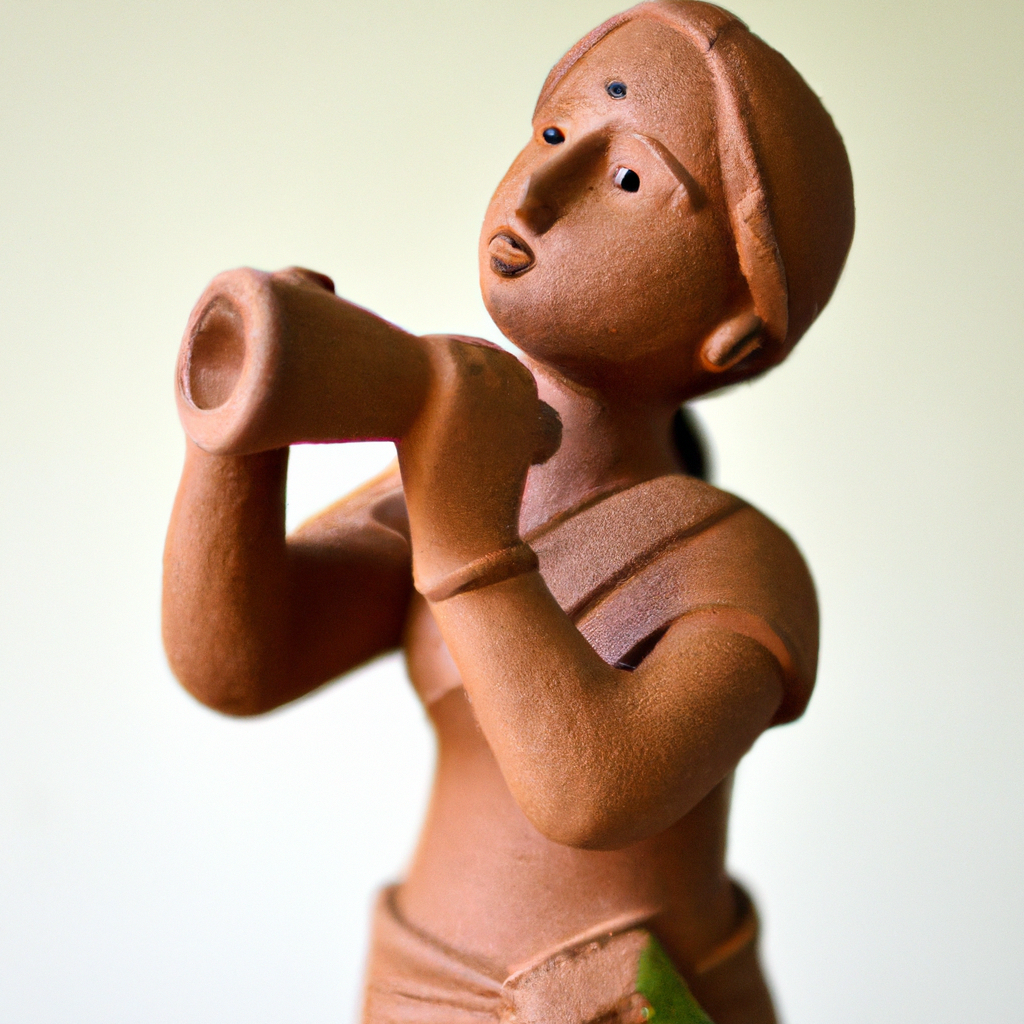
1. Crafting Creation: Exploring the Art of Transforming Clay
For centuries, clay has been used to transform the mundane into works of art, inspiring creatives to immortalize the movement and passion of the human spirit. Crafting creation is an essential skill for those who wish to explore the complexity and beauty of transforming clay.
The Great Masters of Clay
The great masters of the craft of clay-working are role models for any aspiring sculptor looking to improve their skills. Old masters, such as Lakshmi Kanta Das and B.T. Pelser, created a legacy of quality and craftsmanship that is still revered to this day.
The Versatility of Clay
Clay has the potential to be transformed in many ways. It can be manipulated into forms as simple as a coil bowl or as complex as a life-size figure. It is a truly versatile medium that allows the crafted object to represent a range of human emotions.
The Process of Working with Clay
To begin the process of creating with clay, it’s important to understand the material and choose the right clay for the desired result. Afterward, the clay should be kneaded until it’s the desired consistency.
The tools and techniques that are used to shape the clay are just as varied as the range of finishes that can be achieved on the finished product. From rolling slabs to using textures, there are a wealth of potential techniques.
Finishing the Work
When the desired shape has been achieved, the work can then be finished with a variety of finishing techniques. Glazing is a popular method, adding a coating of slip, pigment, or glaze to the clay surface. The clay can also be burnished, giving it a polished, shiny finish.
The final step is to fire the clay in a kiln, which gives the work its definitive form and character. With the right techniques and patience, any creator can transform some simple clay into a masterpiece.
## HTML Representation
For centuries, clay has been used to transform the mundane into works of art, inspiring creatives to immortalize the movement and passion of the human spirit. Crafting creation is an essential skill for those who wish to explore the complexity and beauty of transforming clay.
The Great Masters of Clay
The great masters of the craft of clay-working are role models for any aspiring sculptor looking to improve their skills. Old masters, such as Lakshmi Kanta Das and B.T. Pelser, created a legacy of quality and craftsmanship that is still revered to this day.
The Versatility of Clay
Clay has the potential to be transformed in many ways. It can be manipulated into forms as simple as a coil bowl or as complex as a life-size figure. It is a truly versatile medium that allows the crafted object to represent a range of human emotions.
The Process of Working with Clay
To begin the process of creating with clay, it’s important to understand the material and choose the right clay for the desired result. Afterward, the clay should be kneaded until it’s the desired consistency.
- Rolling slabs
- Using textures
The tools and techniques that are used to shape the clay are just as varied as the range of finishes that can be achieved on the finished product. From rolling slabs to using textures, there are a wealth of potential techniques.
Finishing the Work
When the desired shape has been achieved, the work can then be finished with a variety of finishing techniques. Glazing is a popular method, adding a coating of slip, pigment, or glaze to the clay surface. The clay can also be burnished, giving it a polished, shiny finish.
The final step is to fire the clay in a kiln, which gives the work its definitive form and character. With the right techniques and patience, any creator can transform some simple clay into a masterpiece.
2. An Artist’s Dream Form: Shaping Beauty from the Earth
Creating beauty from the earth is the dream of many an artist. To bring a vision to life from a willing and willing to be malleable material is both fulfilling and liberating. To craft an experience for those who witness the finished project that only you could create is an intoxicating feeling.
Dirt and rock can be made into something artistic in a number of ways. The imagination is the artist’s limit.
- Carving – taking a block and chipping away to create a pre-planned vision is an art in itself.
- Shaping – molding clay or sand into an array of objects or figures is structured improvisation.
- Bending – manipulating rods, strands, or wires into shapes can create something truly untraceable imagery.
- Coloring – infusing material with pigment or leaving it au natural can really bring your vision to life.
In many ways, shaping beauty from the earth is no different than working with other materials. Every artist has their own approach to transform their ideas into a tangible piece. Using the earth has its own unique set of challenges, but they can easily be welcomed if one sees the beauty in the transformation.
The core of this art form is anticipation. To know that the hard work of creation and manifestation is going to be well worth it in the end drives the creative force forward. Artists that work with the earth know the creation process, the transformation, and the intangible magic better than most. It’s the culmination of the journey that makes it worth it.
3. Forging Finesse: Techniques of Sculpting Clay for Beauty’s Sake
Creating stunning, three-dimensional works of art from a lump of clay isn’t as daunting as it may appear. With the proper tools and technique, any amateur can master the art of sculpting clay for an artistic display of finesse. Here are some tips for forging magnificent works of art in the comfort of your own home:
- Plan Ahead: Before you start to work, it’s important to have a clear concept of what you would like to create. Think of a theme that you’d like to capture in your clay sculpture and make a sketch of the design. This will help you figure out the shape and size of the clay pieces that you will need to work with.
- Use the Right Tools: Selecting the right tools for your project is a key factor in producing your clay masterpiece. For basic sculpting, look no further than your kitchen drawer for the necessary tools – regular kitchen spoons are great for scrapping and pushing clay into shape. Additionally, you may find that clay tools such as knives, loop tools, and wire cutters come in handy when molding finer details.
- Shaping & Molding: Once you have your tools in hand, it’s time to start bringing your design to life. Start by kneading and molding the clay with your hands. Once the clay is soft enough, start to shape the pieces one by one. Use the scrapping spoon to smooth the edges at the joins. With the loop tools, you can create fine curves and fine details. For further detailing, you can use the wire cutters to carve more intricate designs.
- Finishing Touch: Once you are satisfied with the shape of the sculpture, create a steady base to mount your work. To finish, wipe away any fingerprints or scratches that developed during your work. Finally, when the sculpting is complete, your work will be ready to display with pride!
Creating your own clay sculptures can be a wonderful activity to unleash your creative potential. With the correct set of tools, practice, and a hearty dose of patience, you can bring your own designs to life for beauty’s sake with these useful techniques.
4. Seamless Splendor: Harnessing Nature’s Beauty Through Clay Sculpture
Creating a lasting sculpture out of clay can be an enchanting experience. It’s a timeless art form passed down through generations, and is capable of inducing a feel of seamless splendor. People can use their own unique ideas to craft and refine their design, and draw from the beautiful inspirations of nature.
Clay is a medium that can be manipulated in any way imaginable to make a sculpture that’s extraordinary and timeless. Even a few basic techniques, such as the pinch, coil, and slab method, can bring to life a wide range of innovative clay sculptures. Add to that some interesting surface designs, like sgraffito, and it can yield surprisingly intricate results.
The ability to capture nature in a sculpture is also a hallmark of clay – many come away with a sculpture that feels and looks like the natural elements. Showing off the textures of a mountain range or the ocean’s waves in a sculpture of clay can be a spiritual experience. When glazing a sculpture, allow the color variations to determine the desired effect. Drape natural and minimalistic glazes to create a neutral effect, or use bolder colors for a more sophisticated and polished look.
Finally, sand is a great way to finish off a sculpture, giving it a more alive, organic feel. Sand also helps to follow the natural curves and shapes within the sculpture. Finishing touches, such as utilizing a gloss glaze, will give the sculpture an impressive look that is guaranteed to be admired.
- Pinch, coil, and slab technique
- Surface designs in sgraffito
- Color variations
- Sand for a more organic look
- Gloss glaze for a polished look
With these tips, anyone can capture the beauty of nature in a lasting piece of art. There’s nothing quite like harnessing a piece of clay and bringing a cherished vision to life.
From the speckles of clay, a beauty can be formed—showing just how powerful the imagination of both the artist and onlooker can be. Through sculpting, a bridge is created between art and the real world, allowing us to appreciate and appreciate the beauty of two worlds forever interlinked.
