
As far back as the early 1900s, creative minds have used collage to explore color, light, and texture through blending materials from disparate sources. Collage is an engaging way to bring together unrelated media to create something unique and to explore an idea. By combining materials such as fabric, paper, paint, found objects, and more, the possibilities are truly endless. So join us now to learn the joy of collage: mixed materials!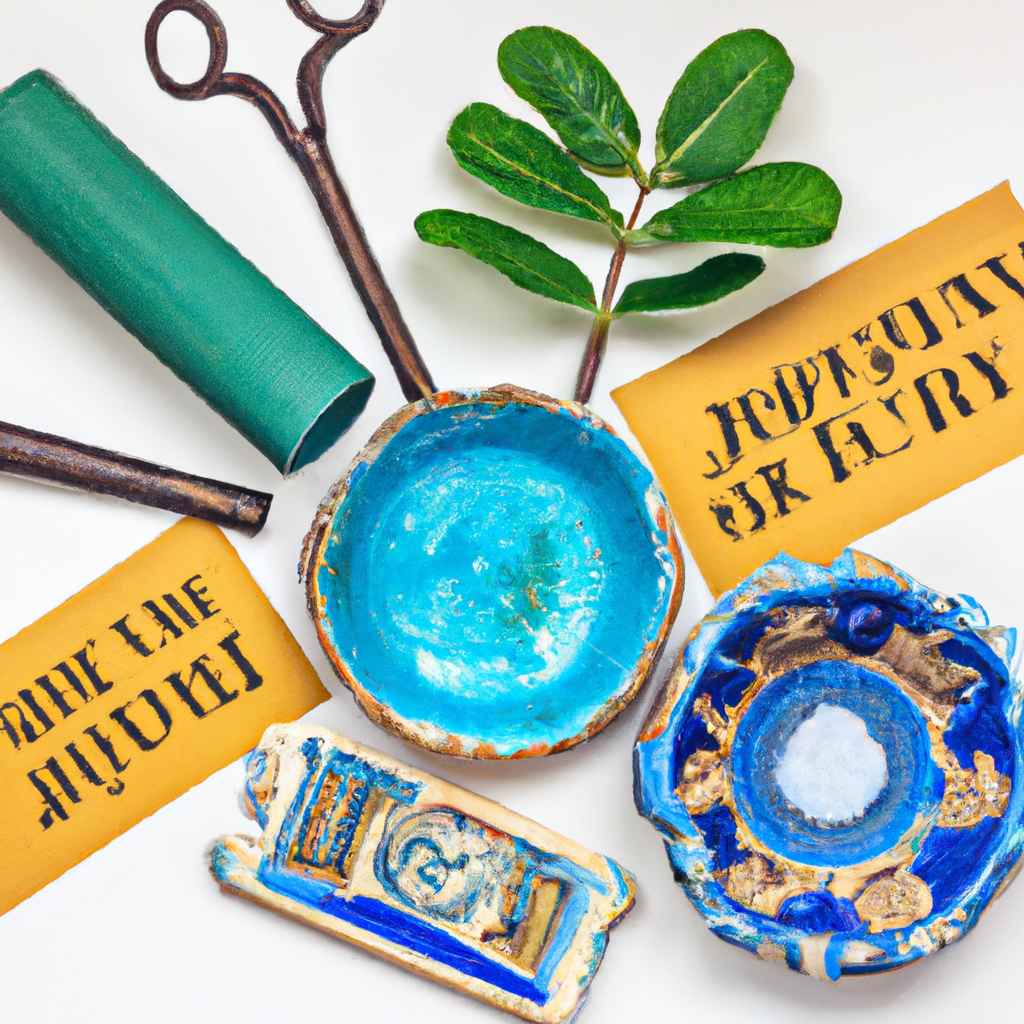
1. Exploring the Endless Possibilities of Collage
The world of collage is a magical and transformational one. Collage can be used to express oneself, to create a unique piece of art, or to tell a story. There are endless possibilities when it comes to the world of collage.
When creating a collage, the canvas is wide open. There are no rules when it comes to the materials that can be used. Craft materials like paper, wrapping paper, scraps of fabric, buttons, yarn, and beads can all be used to craft an interesting art piece. Technology can also be used with programs such as Adobe Photoshop to turn photographs into a collage, or use digital images to create something beautiful.
The great thing about collage is that even beginners can dive right in. Start with a few basic materials and experiment with different techniques such as cutting, tearing, or layering. These techniques can all be used to create a unique collage.
Once a collage is complete it can be colored with markers, paints, and pencils. This will take the collage to the next level. Don’t be afraid to add unusual items to a collage to give it an unexpected touch. Glitter, sequins, and interesting fabrics can be used to make a statement. The possibilities are truly endless.
Once a collage is complete, it should be framed and hung for everyone to enjoy. When done correctly a collage can be a conversation piece and start a dialogue about the materials used and the story being told in the collage.
- There are no rules when it comes to the materials that can be used.
- Experiment with different techniques such as cutting, tearing, layering.
- Markers, paints, pencils can be used to add even more detail.
- Glitter, sequins, and interesting fabrics can be used to make a statement.
- Frame and hang the final product.
Exploring the world of collage is an exciting journey in creativity. Come explore and find the endless possibilities waiting to be discovered.

2. Unlocking the Creative Potential of Mixed Materials
Using traditional materials for crafting can be rewarding, but there’s so much untapped potential when it comes to creating works with a mix of materials in unexpected combinations. Creative combinations of materials can open up whole new realms of objects and structures.
Be Bold and Take Risks With Materials
Mixing materials outside of the conventional can be a bit intimidating at first, but it’s worth it. Don’t be afraid to combine items that don’t usually go together. This can especially spark interesting creations. Try experimenting with two or more unrelated materials such as combining wood and rubber or plastic and leather.
Different Ways To Mix Materials
Mixing materials can quite easily become overwhelming, but breaking it down into different categories can help get started on an idea. Here are some examples of possible ways to mix materials:
- Layering: combining elements of different materials to create a textured surface
- Blending: mixing two materials in order to create a new material that has properties of both
- Combining: assembling elements from different materials to form a new structure
Getting Creative With Mixed Materials
The possibilities are endless when it comes to creating with mixed materials, and the sky is the limit. After selecting a particular combination of materials to explore, the most important thing is to have a creative mindset and willingness to experiment. Allow yourself to play around with different materials and find new ways to combine them.
Synergy of Materials
Combining different materials is a fun and enjoyable creative exercise. When selecting materials to mix together, focus on how using both adds to the design and further elevates it. Mixing materials require a certain balance, and there’s no one-size-fits-all formula – it’s purely about discovering the synergy of different materials.
3. Finding Fun in the Art of Scavenging Artifacts
Are you looking for a way to make a boring evening come alive? Look no further than the art of scavenging. Scavenging is the process of searching for and collecting artifacts — be it coins, tools, jewelry, or even lost treasure. You never know what you’re going to unearth! Plus, the thrill and excitement of the hunt can be quite rewarding.
Scavenging isn’t all about hunting for treasure, either. Oftentimes, artifacts you find have a story behind them, allowing you to learn more about the history of the area. With the right tools and a bit of patience, the world around you can come to life in fascinating ways.
Here are a few tips to help you maximize your scavenging experience:
- Map Out Your Area. Create a map of the area you plan to scavenge. Knowing the terrain is essential for successful scavenging. Make sure to mark any hints or landmarks that could be useful.
- Gather Your Supplies. There are a few items that you’ll need to get started. Invest in a metal detector, shovel, dustpan, and trowel. These tools will make the process much easier and more efficient.
- Be Prepared. Scavenging requires patience, so make sure to bring snacks and drinks to keep yourself energized. Make sure you wear good shoes and dress appropriately for the weather.
Ready to go? Get out there and explore! Keep your eyes peeled for anything that could be of interest. Every minute is an adventure! So get out there, have fun, and find those hidden artifacts.
4. Crafting Unique Visual Statements Through Collage
Collage art has always been an effective way to reveal unique visuals in your work. This form of art encompasses blending and layering multiple elements together to craft a new meaning. It’s extremely versatile and can be used in many different creative avenues such as visual art, poster designs, and even as a form of visual storytelling.
When it comes to collaging, the most important aspect to remember is that it should show and embody your own unique expression. Your visuals should reflect that uniqueness and that’s where the creative juices come in. Here are 4 fundamental tips to making sure your collage art stands out:
- Choose Quality Materials – It’s not only vital to select quality materials for the artwork itself, but it’s also important to factor in the entire atmosphere; the colors, textures, and composition should all work together to have an effect on the final piece.
- Mix and Match – Collage art is a result of combining different elements together, so make sure to choose elements that differ in size, shape, or texture. The different visuals should have a visual connection but still be interesting enough to make the artwork stand out.
- Create a Colorful Palette – Colors have the power to transform a basic collage into a unique one. Play around with complementary hues to create more contrast and depth to your designs.
- Focus on the Details – Once you’re done putting all the pieces together, take another look at the entire design. Focus on the details, the white spaces, and refine them if needed. This is what will add that extra bit of character to make your artwork truly unique.
Making your own collage art either digitally or traditionally should never be an overload. It’s more about the creative process than the outcome. Let your imagination be the guide and use the resources available to you to create your very own visual statements.
What other tips do you have for creating unique collage art? Share your thoughts in the comments!
With the creation of a collage, you can experience the joy and thrill of creating something entirely unique. It’s an ever-changing creative process of hybridization – a joyful blend of colors, styles and materials that can express more than words ever could. Let yourself be inspired by the possibilities of collage!
