
Few things in life are as satisfying as appreciating a handcrafted piece of furniture, like a chair, a set of shelves, or a table. Woodworking Wonders showcases the beauty and durability of these unique, personalized pieces that are created with skillful hands, tools, and lots of love. Through this article, you’ll get a closer look at the woodworking miracles that are brought to life by talented artisans and craftsmen.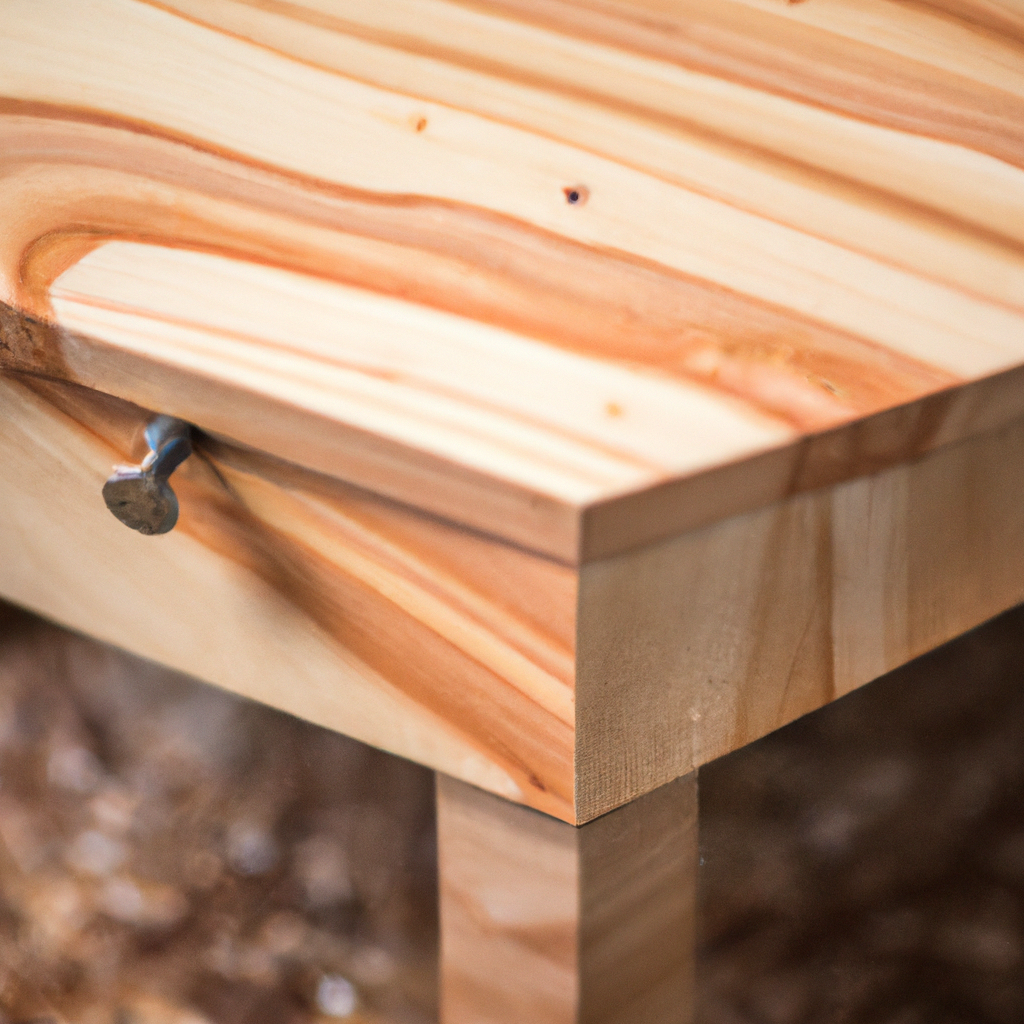
1. Unveiling the Power of Woodworking
Woodworking is an age-old craft that is still thriving today. It’s a creative outlet that can be used to create beautiful pieces of furniture, artwork and beyond. It can be a rewarding hobby to take up or a lucrative career for experienced artisans. But what does it take to take on such a challenging craft?
Woodworking requires patience, skill and creativity. It takes time to get comfortable with the tools and processes, and it’s important to take the time to learn the basics before diving in headfirst. It’s important to understand the power and limitations of wood, both as a material and as a tool, and to understand the basics of setting up a work space, selecting materials and perceiving design.
When it comes to tools, there are a few main categories to consider: power tools, hand tools and other tools. Most people start with basic hand tools and go from there. Essential tools include hammers, chisels, saws, hand planes, sandpaper and more. Besides tools, it’s also important to know how to use adhesives, finishing products, and how to wield a router safely and effectively.
The creative side of woodworking can provide endless possibilities. When it comes to modern woodworking, contemporary design ideas are more popular than ever. One helpful strategy is to go beyond the basics and explore unconventional techniques to bring a unique look to everyday pieces.
takes practice and dedication. It’s not unusual to go through countless iterations of a project before a beautiful piece emerges. Over time and with the right practice, woodworking can become a wonderful and enjoyable way to express creativity.

2. Marvelous Handcrafted Projects From Around the World
1. India Inspired Designs
Handcrafted pieces from India are unique and intricate, telling stories of the country’s culture and celebrating the craftsmanship of Indian artisans. From woodblock wall hangings to colorfully vibrant quilts, the country’s rich tapestry of cultural fabric can be seen on home decor pieces:
- Wood Handicrafts: Carved wooden boxes, wooden wall hangings, and figurine sculptures can spruce up any space.
- Jewelry: Gleaming and glittering trinkets of intricate design make great accessories for everyday wear and special occasions alike.
- Scarf and Saris: Colorful patterns and fabrics woven together can be worn to celebrate weddings, festivals, and other special events.
- Embroderied Linens: Lightweight quilts and handbook-stitched tablecloths bring a unique blend of creativity to any home.
2. Moroccan Tombouctou Fabrics
Moroccan artisans have been weaving and dyeing textiles back as far as the 9th century. Taking inspiration from Berbers and Tuareg cultures, intricate designs are worked into fabrics for a variety of purposes:
- Carpets: Hand-knotted carpets are made from wool and cotton and dyed using natural ingredients.
- Textiles: Decorative blankets, throws and fabrics or traditional dress of Barakat and caftans.
- Tiles: Hand-painted ceramic tiles of varying sizes can be used for wall decor or in furniture.
- Engraved Leather: Traditional leather belts, boxes, and poufs that are tooled and imprinted with the mesmerizing patterns Morocco is known for.
3. Japanese Origami
With its roots all the way back in the 6th century, origami has remained an important part of Japanese culture. Natural paper is hand-folded into a variety of shapes such as animals, flowers, and other objects to give it life:
- Paper Art: Fragile and delicate designs that often act as gifts for birthdays, weddings, and personal celebrations.
- Paper Crane:Hanging intricate paper cranes signify prosperity and good health, and are sometimes attached to string and hung in windows.
- Kirigami:Origami folded and combined with cuts or snips of the paper to create more 3-dimensional pieces.
4. Guatemalan Huipils and Textiles
Guatemalan artisans have been weaving traditionally styled pieces for centuries using traditional methods. Taking inspiration from Mayan design, each pieces is a unique blend of brightly colored threads and textured fabrics crafted into beautiful designs:
- Huipils: Hand-embroidered blouses ornately detailed and stitched with geometric shapes.
- Scarfs: Long and colorful scarfs that the culture uses as traditional dress and to keep warm in the colder months.
- Belts: Hand-woven sashes to embellish traditional dress, but also used to carry items while hiking through the mountains.
From the busy streets of India, to the colorful Moroccan bazaars, to traditional Japanese origami paper, and the Guatemalan markets, handcrafted projects from across the world will make any home feel welcoming and inspired.
3. The Miracle of Wood’s Transformation
Taking advantage of wood’s transformation potential is like creating a piece of art from nothing. Wood has been used by humans for centuries to craft furniture, homes, toys, and utensils – and each time with the remarkable capacity to take on any form. It’s no wonder why it’s one of the world’s most popular materials.
First, the grain of the wood determines a great deal of how it behaves. Softwoods, conifers that are harvested typically for their lumber, are less dense and, therefore, easier to work with and manipulate. But whatever the wood’s grain, two things determine how it looks and feels: rough cutting and sanding. With rough cutting, you can manipulate the wood into any shape you’d like, and with sanding, you can make it as smooth as a river stone.
When you craft something out of wood, you also have the ability to accessorize and make it look more professional. You can paint, stain, or varnish it to bring out the grain of the wood. You can even add a sheen to make it look more finished. You can also add metal hardware such as handles and hinges to expand the look and feel of the item you’ve crafted.
Woodworkers are also able to add specific details that make their work their own. It can be as simple as carving out a unique shape or beveling the edges of the wood, or as detailed as laminating pieces together to make it more structurally sound. Regardless of the chosen details, it’s amazing to see what a piece of wood can be transformed into.
Finally, most importantly, is the strength of a well-made and cared for piece of wooden furniture. It is the natural strength of the wood combined with its impressive transformation potential that makes it such a desirable material to create and own. It may take effort and time to craft the perfect piece, but you will be rewarded with a work of art that will last for years to come.
4. Captivating Details of Woodworking Wonders
Woodworking has produced some of the most beautiful and intricate works that man has ever created. Whether it’s delicate canterbury tables in 16th century Ireland, or impressively large editions of the Statue of Liberty, the possibilities created by woodworking are nearly limitless and captivating.
Complex Carvings
This elegant and delicate form of art continues to inspire and amaze woodworkers and onlookers. Meticulous carvings on the surface of the wood can create a unique visual effect that surpasses others. Intricate patterns, objects, animals, and words can all be expertly crafted with this medium. One of the most famous examples of this is the intricacy and delicacy found in the pieces of fourteenth century architect, Antonio Gaudi.
Fine Finishes
The feelings and tone of a piece of woodworking can be manipulated and adjusted with a carefully chosen finish. Even the most intricate and detailed piece of woodworking can take on a completely different feeling if it is given a light gloss or a dark stain. When woodworking, a craftsman can choose from a variety of finishes to achieve the desired aesthetic effect that they are looking for.
Unique Styles
The type of wood used in woodworking varies widely, creating unique appearances with every project. Softwoods from pine and fir are often used for carvings and decorations, while hardwoods like oak, walnut, and mahogany are more often used for furniture and structural work. Every type of wood has it’s own unique grain and color, lending to the works overall feel and appearance.
Symbolic Significance
Woodworking can also be used to create pieces with great symbolic and special significance, making it the go-to material for commemorative and historical works. Wooden mementos, gifts, and artwork can be crafted with intricate symbols, detailed text, and captivating decorations. These pieces of woodworking art can tell stories, show appreciation, and commemorate special occasions in a completely unique and special way.
Woodworking Wonders: Handcrafted Pieces are truly remarkable. They are striking evidence of artistry, skill and creativity. With the right tools and knowledge, you too can become an artisan of woodworking expertise, and watch your work become worthy of wonder.
